Start with the phone
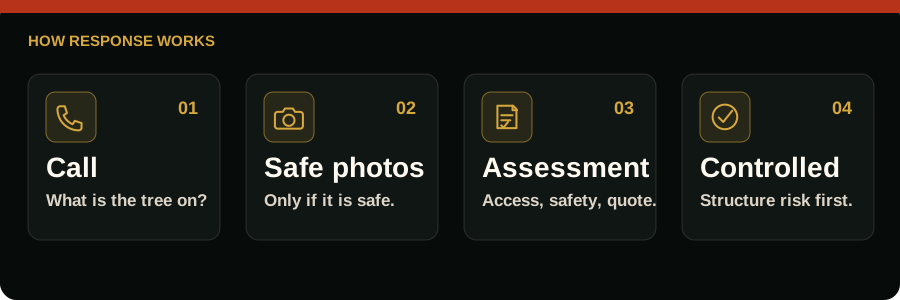
Call with the address, where the trunk or limbs are resting, and whether access to the structure is blocked.
Tree on house removal
Call when a fallen or leaning tree is resting on, pressing against, or threatening a structure.
Evansville-area response across southern Indiana, southern Illinois, and western Kentucky.
Before removal
Call with the address, where the trunk or limbs are resting, and whether access to the structure is blocked.
Pictures can help explain roof contact, fence damage, and access, but do not walk under unstable limbs to get them.
911 Tree Removal is fully insured and Google Guaranteed, with an emergency-only process built around structure-risk tree removal.
Structure impact
Roof contact, gutter damage, siding pressure, or limbs across the roofline.
Trees on garages, sheds, fences, outbuildings, or driveway access.
Leaning trunks or cracked limbs that could reach the structure next.
Photo review can help, but only take photos from a safe distance.
What to say
The removal plan
When a tree is resting on a roof, wall, garage, or fence, the structure is often part of what is holding it up. Cutting in the wrong place can let the trunk shift, drop, or roll and add new damage. The crew works to take weight and pressure off the building first, then removes the rest under control.
That is why the first call matters: knowing exactly what the tree is touching, where it is resting, and how the crew can reach it shapes the safest removal approach before any cutting starts.
After the hazard
The exact approach depends on access, tree position, weather, structure contact, and scene safety.
If there is a life-safety danger, fire, gas smell, or downed line, call public emergency services or the utility provider first.
Insurance documentation
Damage from a tree on the home, roof, garage, or fence is frequently something you will report to your insurer. Contact your insurance company first for claim requirements; claim approval and reimbursement are decided by the insurer, not by 911 Tree Removal.
Once the hazard is reviewed, the crew can discuss the emergency work performed and provide job-specific details for your records. 911 Tree Removal is fully insured and Google Guaranteed.
Related emergencies
Emergency line
The form is available as a backup, but a live call is the fastest way to explain a structure-risk tree.